Categoría: blog

  • Example Post for WordPress

    This is a sample post created to test the basic formatting features of the WordPress CMS.

    Subheading Level 2

    You can use bold text, italic text, and combine both styles.

    1. Step one
    2. Step two
    3. Step three

    This content is only for demonstration purposes. Feel free to edit or delete it.

  • Half Moon Edit The Row Ballet Flats

    The Row Handbags Through the Seasons: Design Continuity Unpacked

    The brand has built its standing on restraint. Even as much of fashion rotates through new looks on a near-seasonal basis, this brand has spent close to twenty years perfecting a small number of forms rather than pursuing seasonal novelty. Grasping that outlook is essential for understanding why row handbags hold value, why specific designs reappear year after year with only minor tweaks, and why shoppers hunting for the row bag that suits them are often better served by studying construction than by studying trend reports. What follows explains how design continuity really functions at The Row, what changes between collections, and what remains intentionally unchanged.

    What Shapes The Row’s Design Language

    Mary-Kate and Ashley Olsen founded The Row in 2006 with an deliberate turning away from design led by passing trends. Their approach to the row fashion has always given precedence to fit, fine materials, and lasting value over seasonal statement pieces. This shows up most plainly in handbags, where a select few core shapes have grounded the line for years rather than being swapped out each season.

    The Row’s designers draws on a limited set of geometric principles: pared-back lines, understated hardware, and shapes that draw from midcentury modernism more than contemporary streetwear. A bag launched in 2015 might still be in production today with only slight adjustments to strap length or interior pocketing. This is uncommon in an industry where most fashion houses overhaul entire handbag lines twice a year.

    Such steadiness has practical benefits for shoppers. Bags tend to retain their resale worth because the shapes don’t look dated after a year or two. It also means that when a row sale happens, past-season bags closely resemble current stock, which eases the anxiety that usually comes with buying last season’s design elsewhere.

    The Margaux Bag: A Study in Refinement Over Reinvention

    No bag illustrates this pattern better than the Margaux. Debuted in the mid-2010s, the Margaux tote has appeared in multiple sizes and leather finishes over the years, but its core architecture — an open-top tote with little in the way of visible hardware and structured sides—has never fundamentally changed. Shoppers trying to find where to buy The Row Margaux bag will find it stocked in different sizes across seasons, but the silhouette itself is the row handbags regarded much like a permanent collection piece rather than a seasonal drop.

    Nothing about this is accidental. Rather than phasing out a proven bestselling shape and swapping it for something new to stir up demand, The Row instead adjusts leather type, hardware finish, and proportions in small ways. The result is a bag that feels familiar to long-time customers while still offering something new to discover each year.

    Margaux stays among the most sought-after silhouettes precisely because of this steadiness. Buyers know roughly what they’re getting: a reliable silhouette, an approachable styling curve, and a look that will still feel current in three years.

    How Materials Shift While Shapes Stay Fixed

    Materials and colorways are where The Row lets seasonal change show through. Sourcing of leather, tanning methods, and hardware finishes change from year to year even when the bag’s core pattern stays the same. A given structured tote could be smooth calfskin in one season and pebbled or suede in another, while the dimensions and stitching pattern remain nearly identical.

    That flexibility lets the label react to seasonal mood without upsetting the essential row bags rundown that loyal shoppers have grown accustomed to. The warmer months typically usher in softer, lighter leathers and understated neutral tones; colder seasons bring in deeper, richer colors and somewhat heavier leathers.

    Another area of gentle variation is hardware. Sometimes buckles, clasps, and zip pulls transition from matte to a more polished finish, or from silver shades to a warmer brass tint, based on the palette of that season. These changes are small enough that they rarely alter how a bag is perceived, but shoppers paying close attention to top row bags across several seasons will spot the trend.

    Core Shapes Side by Side

    Making sense of continuity across the range means examining several of the brand’s most lasting silhouettes together. The table below outlines general characteristics based on how these styles have been positioned across recent collections — helpful background whether you’re buying for the first time or adding to a collection you already own.

    Bag Silhouette Primary Use Design Stability Usual Seasonal Change
    Margaux Tote Everyday carry, work Extremely high — the silhouette has held steady since launch Leather texture, available sizes
    Sofia Bag Structured day-to-evening High — consistent silhouette with minor strap updates Palette of colors, hardware finish
    Ascot Bag Compact daily use Strong — proportions are seldom changed Texture, closure detailing
    Wander Tote Travel use, larger-capacity carry Moderate — occasional dimension tweaks Fabric or leather variants

    What this comparison highlights is how steady each bag’s core purpose remains. Someone seeking the best row bags for everyday use will keep being directed toward the Margaux or Ascot instead of a shifting lineup of new arrivals, because both shapes have shown their durability across numerous years on the production line.

    How This Shapes Purchase Strategy for 2026

    Given this steady design language, anyone shopping the collection this year faces a straightforward practical implication: an older-season row handbags piece, bought secondhand or on sale, carries a smaller downside than the same purchase would with a more fashion-chasing label. Because the brand hasn’t shifted toward a radically new aesthetic in the meantime, a Margaux from two seasons ago will still blend easily with current wardrobe staples.

    This in turn affects how a shopper considers the timing of a buy. Waiting for a row sale can make sense for shoppers who have identified a specific silhouette they want, since the shape itself isn’t likely to be discontinued or replaced outright. The downside with waiting is the in-stock chances of a specific leather or color, not the discontinuation of the design itself.

    It’s important to mention that approved sellers and the label’s direct channels remain the safest route for anyone trying to determine where to buy The Row Margaux bag or other core styles, especially given how convincingly certain silhouettes are replicated by counterfeit sellers. Comparing construction details—stitching consistency, hardware weight, the inner lining—against known authentic examples is a sensible safeguard no matter where a purchase is made.

    Reading the Line as a Whole

    Looked at collectively, the pattern across The Row’s handbag history is one of steady polishing rather than starting over. It’s unusual for a label at this price point to sustain such a tight focus on a handful of shapes for this long, which is part of why the brand’s reputation stands apart from more trend-reactive competitors. Buyers who review the row bags overview over several years will spot the same recurring set of names repeating: Margaux, Sofia, Ascot, Wander.

    Rather than a lack of creativity, this reflects a different kind of creative discipline—one that focuses on perfecting a shape and then trusts it to stay relevant. For buyers, that means fewer regrets about a purchase looking dated, more predictable resale value, and an easier time putting together a wardrobe around a handful of carefully selected pieces rather than constantly replacing them. In an industry that often rewards novelty over substance, that consistency is arguably the brand’s most distinctive design choice of all.

  • Find Dubai Design Studio Covering Budget Friendly Design Ideas

    Best Fit-Out Companies for Retail in Dubai

    In Dubai, retail fit-out pits you against the clock, the lease and the customer’s first impression at the same time A store, kiosk or showroom has to be built to a mall landlord’s strict handover conditions while still opening on the date the lease demands Brands opening in Dubai’s flagship malls or high-street locations along Sheikh Zayed Road in 2026 need fit-out partners who work quickly without cutting corners on approvals Written for retail operators and brand managers rather than casual browsers, this guide profiles real Dubai fit-out and design firms with genuine retail experience Each company is described in neutral terms, with no invented client names, awards or fixed prices Because retail spaces stand or fall on footfall, the right contractor balances speed, brand fidelity and compliance The cost and timeline figures later in the guide are 2026 market estimates, labelled as ranges

    How Retail Fit-Out Works in Dubai

    In Dubai, every retail fit-out starts with paperwork long before the first partition goes up You typically need a No Objection Certificate from the mall or building management, followed by a fit-out permit from the relevant authority Depending on location, that authority may be Dubai Municipality, the Dubai Development Authority, or Trakhees, with Dubai Civil Defence signing off on fire and life-safety and DEWA handling utilities Mall operators also impose tenant-coordination rules, hoarding standards and strict overnight working windows that an experienced contractor already knows Since retail leases leave no slack, running design, procurement and on-site works in parallel is what protects an opening date The firms below each understand this pressure and the approvals landscape that governs it

    Depa

    Founded in 1996 and part of the wider Depa Group, Depa is among the region’s biggest interior The Desert Atlas contractors Thanks to its scale, it can resource sizeable retail and mixed-use programmes that smaller outfits would struggle to staff The firm’s scope covers fit-out, hospitality, commercial, retail, and even marine interiors, reflecting decades of complex delivery For a flagship store or a multi-unit retail rollout, that contracting depth and supply-chain reach can be decisive Big contractors such as Depa tend to be chosen because they can absorb tight programmes and heavy joinery packages For ambitious or high-volume builds, retailers frequently start their search with an established contractor of this size

    Bond Interiors

    Bond Interiors has operated since 1986 and combines fit-out delivery with in-house joinery and manufacturing from its base in Dubai Industrial City Owning the joinery line pays off in retail, where custom display units, counters and cabinetry shape the brand experience In-house manufacturing can also shorten lead times and tighten quality control, both critical when a store must open on schedule The firm works across office, commercial, hospitality, retail and residential, letting it move easily between sectors Brands that rely on bespoke fixtures rather than off-the-shelf shelving will find that fabrication capability compelling Retailers wanting fittings produced and fitted by one accountable team frequently shortlist a manufacturer-contractor like this

    Bishop Design by Paul Bishop

    Bishop Design by Paul Bishop, founded in 2004, is recognised for bold, branded interiors across hospitality, food and beverage, commercial, and retail From its Al Barsha base near Sheikh Zayed Road, the studio has a strong presence in Dubai’s experience-led scene For retail concepts that need to stop shoppers mid-stride, a design voice built on boldness and branding is a genuine asset The firm’s blend of food and beverage and retail suits today’s blended concept stores and lifestyle spaces A distinctive, brand-forward interior lifts dwell time and makes a unit memorable in a crowded mall Retailers seeking a statement flagship rather than a quiet fit-out will find this studio’s positioning matches their goals

    Roar

    Based in Dubai Design District (d3), Roar, formerly Pallavi Dean Interiors, is a concept-driven, brand-led studio Its retail work sits next to hospitality, food and beverage, office and commercial projects, giving the team a broad experiential toolkit Concept-first thinking pays off in retail, where the interior must translate a brand’s story into a physical journey Sitting in d3 keeps the studio close to fabricators, material libraries and the wider design community When a brand launches a new concept or refreshes a tired one, that narrative strength can create a distinctive customer experience Retailers who see their store as a branded environment, not just a sales floor, are drawn to this approach

    H2R Design

    H2R Design works across London and Dubai from its base at The Courtyard, Al Quoz, and covers hospitality, food and beverage, retail, office and residential That dual-city outlook can bring international retail references into a Dubai project, an advantage on the ground Its Al Quoz creative-district setting surrounds the studio with galleries, makers and specialist suppliers valuable for retail delivery A portfolio that mixes hospitality and retail suits the experiential, café-meets-store formats now common in Dubai malls Because it works across sectors, the team can design spaces that keep customers lingering and engaged Retailers seeking a design-led partner with an international sensibility and a local base will find H2R Design a natural candidate

    4SPACE Design

    4SPACE Design is a multidisciplinary studio that creates bespoke interiors across retail, commercial, hospitality and residential work That breadth helps with retail concepts combining cafes, lounges or event zones with the core sales area Bespoke delivery means custom fixtures and tailored detailing rather than repeated, generic layouts Its multidisciplinary structure coordinates lighting, materials and joinery under one creative direction, so a store stays visually consistent For brands building experience-heavy or hybrid retail formats, that integration reduces the number of parties to manage Retailers wanting a fully custom, layered environment will recognise the appeal of this studio’s range

    A Quick Look at the Retail Fit-Out Firms

    Broadly, the firms above fall into large contractors, joinery-led builders and design-forward studios The choice depends on whether your priority is scale, bespoke fabrication or brand storytelling The table captures each firm’s stated focus using only reference-level positioning, with no prices, ratings, or client claims implied Since the ideal partner is the one matched to your specific concept and unit, treat it as a shortlist aid rather than a league table A flagship rollout, a single boutique and a food-and-beverage-retail hybrid each point toward a different strength Verify approvals experience, references, and delivery method before appointing any firm to your store

    Company Retail focus Distinguishing strength Base / note
    Depa Fit-out, retail, commercial, hospitality Big-project contracting Est. 1996
    Bond Interiors Retail, fit-out, joinery Own manufacturing Est. 1986, Dubai Industrial City
    Bishop Design by Paul Bishop Retail, F&B, hospitality Bold, brand-led interiors Since 2004, Al Barsha
    Roar Retail, F&B, office, commercial Concept-led, brand-driven Dubai Design District (d3)
    H2R Design Retail, F&B, hospitality, office International, design-led London + Dubai, Al Quoz
    4SPACE Design Retail, commercial, hospitality Multidisciplinary, bespoke Wide project range

    Costs, Timelines and Approvals for Retail Fit-Outs in 2026

    Retail fit-out pricing in Dubai depends on brand standard, unit size, and how much shopfront work is involved Market estimates place mall retail fit-out at roughly AED 350 to AED 700 per square foot in 2026, with food and beverage concepts running from about AED 400 for casual formats to AED 1,500 or more for high-concept spaces Design-only fees are commonly estimated at around AED 175 to AED 550 per square foot, or roughly 10 to 20 percent of the project budget On timing, smaller retail fit-outs are estimated at about four to eight weeks, with larger or more complex builds extending further Once documentation is complete, permit approvals are frequently processed within roughly three to ten working days, although mall coordination adds its own steps You can review official requirements through the Dubai Development Authority fit-out permit page and sector context via Caterer Middle East, with all figures here presented as 2026 market ranges

    In Summary

    In Dubai, a successful retail fit-out combines design, delivery and compliance discipline in equal measure Match your concept to each firm’s core strength, scale for rollouts, joinery for bespoke fixtures and concept craft for statement flagships Every firm profiled here has genuine retail credentials and a clear specialism you can check through portfolios All prices and timelines above are labelled 2026 market estimates, rather than company-specific quotes, so bear that in mind Always secure your No Objection Certificate and fit-out permit before starting on site to protect your opening date With the right partner, a Dubai store can convert heavy mall footfall into a genuinely memorable brand experience

  • Bold Graphic Jacket Godspeed Clothing Online

    Crafting a Pared-Down Collection Featuring Godspeed Essentials

    Built around a small set of apparel that pairs with ease, a capsule wardrobe works best when its anchor garments carry weight beyond their stitching. Godspeed has turned into a label shoppers search for when they want street-inspired clothing that feels deliberate rather than slapped together. Calm, confident, and slightly rebellious — that’s how Godspeed’s pieces read, and it’s just the attitude a capsule wardrobe needs to survive daily rotation without becoming dull. Before diving into how to build one, it’s worth considering why the name itself resonates so strongly with people building an identity through clothing in 2026.

    Because the phrase bears centuries of weight, query volume surrounding godspeed meaning and what is godspeed surges on a steady basis. Originally, it was a parting blessing — in essence praying God would speed someone through their travels unharmed — and over time it turned into a compact way of saying fortune, protection, and understated support. One reason this expression translates so well onto fabric is that duality of heritage and forward motion. When you wear a godspeed shirt, you aren’t merely sporting a graphic; you’re wearing a compact dose of reassurance that fits gym mornings, late-night drives, or the ten minutes before a job interview.

    How Godspeed Works as a Foundation for a Capsule

    A strong capsule wardrobe typically sits between 25 and 40 pieces throughout a season, and the aim is the greatest possible combinations from minimum inventory. Godspeed’s catalog is built around understated colorways, roomy cuts, and typography-driven graphics, which makes each New York streetwear label piece unusually easy to slot next to basic denim, cargos, or tailored trousers. Versatility beats novelty when you’re trying to build something that has staying power. A single godspeed hoodie, for example, can anchor five or six different outfits depending on what you layer it with, whether that’s a lightweight jacket for spring or a heavier coat once temperatures drop.

    Reliability between collections also proves useful. People researching god speed clothing regularly observe that the fit and size profile feel reliable across successive drops, which cuts down the guesswork that often complicates building a capsule wardrobe. Once you know an roomy fit will hold consistent whether you’re buying a tee or a hoodie, you can commit to pieces without hanging onto three backup sizes «for safety.» Within a pared-down approach to dressing, this consistency serves as a quiet but critical building block.

    Start With These Key Staples

    Before you go after standout items, start with layering basics. A pared-down closet falls apart fast if everything competes for attention, so balance is the top concern right from the start. What follows is a down-to-earth overview of where Godspeed pieces typically fit into a rotation and how often they tend to get worn according to standard capsule wardrobe approaches.

    Item Type Capsule Role Average Weekly Use Ideal Combinations
    Hoodie by Godspeed Foundational layering item 3–4 times Jeans, joggers, and bombers
    Godspeed Shirt (graphic tee) Standout foundation piece 2–3 times Shirt jackets, cargo trousers, sneakers
    Long Sleeve, Plain Style Understated layering piece 4–5 times Nearly every other piece
    Structured-Fit Jacket Foundational outer piece 2–3 times Hoodies, t-shirts, and trousers

    Take note that the hoodie and shirt each occupy their own place in your weekly rotation. One works as a mid-layer for cooler days, the other as a lightweight standalone piece for warmer ones. This is the entire logic of a capsule: every item has a job, and no two pieces overlap in purpose. Shopping for godspeed shirts with this mindset means you fill gaps instead of piling up duplicates.

    Fabric and Color Strategy

    Muted color schemes define successful capsules because they increase styling options without multiplying decision fatigue. Black, charcoal, off-white, and other muted earth hues appear again and again within the Godspeed range, and that restraint is intentional rather than limiting. A wardrobe built from four or five core colors can produce dozens of outfit combinations, while a wardrobe built from ten competing colors often produces fewer usable outfits despite having more total pieces. It’s one of the surprising truths behind dressing minimally: fewer colors frequently lead to more styling options.

    Fabric weight matters just as much as color. Thicker cotton-blend fabrics used in hoodies hold shape through repeated washes, which is essential if a piece is expected to hold up over 30 to 40 wears in a single season without fraying or sagging around the cuffs. A lighter jersey-cotton fabric used for tees enables that loose, draped fit common to modern streetwear without coming across as rigid or boxy. Before buying, look for whether an item is labeled midweight or heavyweight—that detail reveals more about its lifespan than any front graphic could.

    Structuring Your Buying Sequence

    Constructing a capsule shouldn’t require purchasing it all in one go. Sequence matters, and the majority of those who get capsule wardrobes right buy in phases across two or three months rather than one all-at-once purchase. Kick things off with one hoodie and one long-sleeve foundation piece, put them into rotation for two weeks, and pay attention to how often you reach for them without thinking. This automatic pull toward them is the strongest sign that a piece has proven itself worthy of staying in the mix.

    1. Stage one: one hoodie plus one plain tee plus a pair of trousers.
    2. Step two: a graphic godspeed shirt paired with an overshirt or light jacket.
    3. Phase three: a second hoodie in an opposing neutral shade, plus one extra piece — a beanie or crewneck bag.

    Building in stages like this also keeps your finances in check. Rather than dropping a big amount early on unproven pieces, you divide the spending across several months while checking fit and durability at each stage. By phase three, you’ll have a clear sense of which shapes suit your frame and which shades you keep gravitating toward, which makes any later purchase faster and more accurate.

    Ways to Style Pieces That Work in Practice

    Combining a godspeed hoodie with tapered joggers and understated sneakers produces a laid-back, wearable shape that suits errands, travel days, or casual meetups. Replace the joggers with straight-leg denim and that identical hoodie instantly feels more deliberate, more suited to a coffee shop meeting than a gym run. That flexibility is the entire point of centering your closet on a handful of reliable staples instead of a closet full of one-outfit wonders.

    For warmer months, a godspeed shirt under an unbuttoned overshirt allows flexibility for fluctuating weather without the hassle of an additional bag. Roll the sleeves, keep it unbuttoned over the tee, and you achieve a layered ensemble that captures well on camera and adapts easily to indoor or outdoor settings. That flexible quality is why text-based graphic tees continue as a popular search term for people trying to build a wardrobe that doesn’t demand constant re-shopping.

    Upkeep Tips to Stretch Your Wardrobe’s Lifespan

    A capsule wardrobe remains useful if the pieces in it last. Wash hoodies inside out in cold water to protect graphic prints, and steer clear of high-heat drying methods, which is the single fastest way to shrink cotton blends and crack printed lettering. Alternating among two or three hoodies instead of wearing the same one daily also considerably stretches their usable life, since fabric fibers need recovery time between wears to keep their structure.

    • Wash inside out, cold water only.
    • Dry on low heat, or air dry whenever feasible.
    • Alternate between at least two hoodies every week to ease strain on the fabric fibers.
    • Store folded rather than hung to avoid stretched-out shoulders.

    These modest little practices accumulate over a year’s time of everyday wear. Handle a hoodie poorly and it may look shot after four months, while that very same garment given basic upkeep can stay on as a staple item long after the year mark, which is really the whole financial case for minimalist dressing in the first place.

    Concluding Remarks on Dressing With Purpose

    Keeping fewer items that each do meaningful work—this is the aim of a capsule wardrobe built around Godspeed staples, rather than paring down for minimalism’s sake alone. That name on its own, rooted in centuries of meaning linked to safe passage and encouragement, brings a dimension of meaning that’s easy to overlook until it’s you wearing it through a tough day. The goal stays the same regardless of starting with a single shirt or going all-in on the three-phase buildout: fewer decisions in the morning, steadier consistency in how you show up, and a wardrobe that genuinely deserves its spot in your closet instead of just filling space in it.

  • Awful Lot Of Cough Syrup Brand Selection Free US Shipping

    Awful Lotta Cough Syrup: This Year’s Purchase Manual to Launch and Sizing

    This guide gives you the hands-on strategy to purchase Awful Lotta Cough Syrup in 2025 and get your size right the first time. We emphasize how the label truly drops product and how its measurements function across hoodies, tees, and bottoms.

    alocs sits in the lane where bold graphics, skate energy, and dark humor meet scarcity. The company emphasizes into restricted drops that sell quickly and frames shapes through boxy tops, generous sleeves, and eye-catching designs. Your presence indicates missing your chance at a drop disappoints, while because refunds regarding limited capsules are often restricted or impossible, and this makes size accuracy critical. The safest way to achieve combined style and ease involves to anchor the choice to measured numbers, not lettered sizes, and plan around the way heavyweight fabrics fall and wash. Our manual connects those realities using a method you can repeat every drop.

    How we characterize alocs in this year?

    alocs is a visual-focused street brand with an irreverent, underground vibe, expressed through limited drops that create urgency. The fits trend oversized to rectangular, featuring prints and text created to be visible from across the block.

    The company’s draw blends scarcity with anti-mainstream visuals, similar in spirit to companies like Brain Dead, Stussy, and Sp5der, but with its distinct wit and visual expression. Releases generally focus around sweatshirts, shirts, and accessories, with occasional seasonal pieces that riff on retro and subculture cues. Buzz develops via scarcity and a feeling where each capsule is a small cultural event rather than a renewed collection. Among purchasers, it awfullotofcoughsyrupshirt.com means you decide fast, you verify fit ahead of launch, and you assume sellouts on popular colorways and graphics. View the items as wearable art with utility-level durability which helps you approach purchases through the right expectations.

    The way releases actually work

    Drops are limited in quantity, announced close to launch, while often sell through rapidly. The company updates via social media and storefront modifications, and restocks are rare compared to the original drop.

    Realistically, the drop window starts, users spikes, and sizes with the broadest demand go first. Prepare for time limits, likely queueing, and rigid basket timers—common protections within urban commerce. Prepare your information in advance, understand your target measurement, plus have a alternative selection colorway if the initial gets clipped quickly. Should launches uses raffle or priority mechanics, stick to one strategy and focus instead of than splitting focus between. If a particular graphic becomes center stage of the drop, expect resale will concentrate there and plan accordingly if you prefer avoiding second-market markups.

    Fit planning: initiate with dimensions, avoid letters

    The most reliable way to select proper sizes is by measuring a garment you already love and compare the numbers. Letters vary by brand and cut, however tape-measure data never will lie.

    Position your favorite sweatshirt, shirt, or pair of bottoms flat and capture key points: chest width, body length, shoulder dimension, appendage length for shirts, plus waist, vertical measurement, inseam, and thigh for bottoms. Compare those values to the item specifications provided on the product page if accessible; when not, use the dimensional map below to establish what you might adjust and what you cannot. Prioritize shoulder width and chest width on hoodies and shirts since they govern flexibility and how the item positions on your frame. With trousers, waist system and vertical measurement dictate comfort much more than tagged size alone. When positioned between dimensions, determine whether you prefer a clean, truer shape or a looser, street-inspired shape, then choose appropriately.

    Body Area Individual Measurement Garment Measurement to Compare How to Measure on Clothing Sizing Effect if Off
    Chest Full chest at nipple line, at rest Armpit to armpit Level, pit seam to stitching Tight measurement constrains breath and design stretches; too large puffs and loses structure
    Body Length Trunk preference High point shoulder to lower seam Begin from collar seam straight down Brief length truncates unintentionally; too extended destroys boxy proportion
    Shoulders Deltoid peak to peak across back Shoulder stitching to seam Straight across the back of clothing Undersized shoulder pinches; too extended hangs past delts
    Sleeve Arm length bent at quarter turn Shoulder construction to cuff Trace sleeve seam to termination of cuff Brief sleeves exposes wrists; oversized sleeves stacks over fingers
    Waist Natural waist at navel Flat waistband width Border to edge across waist area Narrow waist digs when sitting; oversized loose relies on drawcords
    Rise Front rise comfort sitting Crotch construction to top of waistband Span vertically at front Too low pulls when moving; extended high bunches
    Inseam Inside leg to desired fold Crotch construction to hem Interior stitching straight to lower edge Brief inseam sits high; too long stacks or trails
    Thigh Peak thigh circumference Thigh width 1″ below crotch seam Through leg panel, flat Tight leg restricts stride; oversized thigh loses taper

    Pullovers and crews: dialing in the boxy-drip silhouette

    Expect a boxy torso with generous sleeves that create volume without feeling messy. If you like structure with design sitting flat, align your chest and shoulder measurements closely.

    To achieve clean boxy look, target a pit-to-pit that is 5 to 7 percent over your actual chest dimension and a shoulder span that lands right at your acromion points. Should you desire skate-level drape, push chest width to roughly 8 to 12 percent over your body and accept a small shoulder descent so the sleeve position shifts lower on your arm. Focus on body length because many boxy cuts shorten the hem slightly to balance width; if you have a longer torso, ensuring adequate length ensures that the hoodie from climbing up over layers. Dense fleece retains shape however might feel tighter under the arms on initial use, so those spanning measurements who plan for layering over tees should bias up for mobility. Artwork positioned across the chest sit best when material isn’t stretched taut, which is another cause to avoid undersizing.

    Tops: neckline, body length, plus graphic placement

    alocs tees lean into strong graphics, making the goal is a chest width that avoids distorting the print and a length that hits at mid-fly or just above. When the neckline opening is too tight or too wide, the entire proportion reads off—even when the body fits.

    Begin by aligning pit-to-pit to your favorite tee within one centimeter range and confirm that body length aligns with where you desire the hem to rest over your pants waist position. Somewhat denser rib on the neck reads vintage while maintaining shape better, which pairs well with structured torsos; size up only if the collar continues resting flat and avoids flaring. Should you favor a cropped, wider silhouette, keep dimension and reduce length via picking a boxy cut in your true dimension rather than sizing up, which can add vertical space you don’t want. Designed garments should be laundered inside out in cool water to protect design durability and prevent small fading around the graphic perimeters. When you place tees under hoodies, confirm sleeve length clears the hoodie cuff without bunching so you avoid stacking unintended bulk near the wrist.

    Trousers and shorts: waist construction, vertical measurement, and stacking

    Prioritize the waist system and vertical measurement before inseam, because comfort and silhouette start at the waist area. Drawcord or elastic waists tolerate half-size swings; fixed waist construction demands precise measurements.

    Calculate your true waist and compare flat measurements to your best-fitting pair, then coordinate vertical measurement to how you position your tops. Increased vertical measurement pairs well alongside structured tees and hoodies because it shortens the visible torso and coordinates breadth; a lower vertical measurement looks more skate and relaxed. For stacking, run an inseam long enough to crease once on shoes when you want puddling, and trim to a crisp fold if you prefer a neater line. Leg width determines mobility and the way the leg falls over sneakers, so maintain the thigh generous should you like a direct fall and reduce marginally when you’re chasing a focused look. Brief bottoms should land above the kneecap for a crisper form, or at knee level for a extra laid-back, 90s-informed profile; align the choice to your tee length so dimensions avoid swallow each one another.

    Cloth thickness, care, and reduction after the first cleaning

    Heavy cotton fleece and solid jersey are common in streetwear, and they influence drape and post-wash response. Untreated cotton can tighten marginally during the first wash, while heat accelerates shrinkage.

    To protect shape and graphics, clean cold, inside out, and hang or flat dry—high heat risks 2 to 5 percent contraction within cotton and might damage inks over time. Denser fleece, often in the four hundred to 500 gsm range, hangs with increased gravitational weight and resists wind, but it additionally requires longer to dry; organize your care routine so the fabric avoids staying damp in a pile. When a garment is pre-shrunk, you’ll still see minor contraction within the rib plus cuffs after hot treatment, this affects sleeve and body length perception. Printed tees prefer gentle cycles and low mechanical movement so the ink coating avoids abrade prematurely at high-friction points like underarms and side seams. Should you handle heavyweight pieces like outerwear—air between wears, spot clean when possible—you’ll maintain dual color and tactile quality intact longer.

    What about returns, exchanges, and resale influence size decisions?

    Scarce launches often carry tight exchange policies, and aftermarket platforms penalize odd sizes with slower liquidity. This indicates picking the proper fit up front saves time, money, and aggravation.

    Ahead of launch, confirm the policy at checkout for the specific capsule; many urban drops label items as final sale, and even when exchanges exist, dimensions might be gone prior to your return lands. If you’re sizing for potential aftermarket, the most common measurements through demand sit within the middle of the scale, but your local market can skew this relying on average body types and preferred styles. On platforms where sellers list piece specifications, buyers respond more rapidly to accurate pit-to-pit and vertical numbers than to designations, so keep measuring tools handy. When you aim to hold a garment, think about how fabric weight and shrinkage might affect future buyers who expect unworn, unwashed condition. Precision helps you avoid cycling through listings just for correcting sizing surprises that may have been avoided.

    Verification processes and a drop-day playbook

    Legitimacy begins with print quality, material hand, and assembly particulars that match what the specific brand is famous for. Alignment across marking, labels, and packaging becomes your baseline.

    Inspect ink edges for clarity and even saturation; blotchy coverage, shifted layers, or overly rubbery texture on large designs represent red flags. Handle the cloth for density appropriate to the garment type—hoodies should hold shape at the hem and sleeve end, shirts should not appear overly light relative to design scale. Construction around shoulders, lateral seams, and pocket installation should be consistent, including clean bar stitching where stress is greatest. Packaging from limited drops often includes specific stickers or materials; mismatched or generic packaging in resale postings warrants extra scrutiny. During release day, set your measurement choice in beforehand, complete your details, plus join a few minutes early—velocity and certainty beat scrolling through comments while rushed.

  • YSL Rive Gauche Edit YSL Puffer Bag

    A Piece Worth Saving ForThat Justifies the Wait: The Row Handbags

    Shoppers who explore the row soon learn that impulse buying isn’t the point—rather, it’s built for those who want a single remarkable piece that outlives trend cycles entirely. The Row has built its reputation on restraint, and while much of the fashion industry chases seasonal trends, this brand, founded by Mary-Kate and Ashley Olsen, has spent nearly two decades refining a handful of silhouettes rather than chasing novelty—an approach that has turned The Row bags into something closer to modern heirlooms than fashion accessories.

    Understanding why these pieces command such loyalty requires looking past the price tags and into the construction, material sourcing, and design philosophy that sets row handbags apart from nearly everything else on the market. This article breaks down what makes them worth the wait, which styles matter most, and where you can actually find them.

    Unpacking The Row’s Bags and Their Fiercely Loyal Fanbase

    Every single bag found in the present the row bags overview carries a few recurring traits: sparing hardware, firm yet supple silhouettes, and leather that’s been selected and cured with an rare level of care. The brand famously limits embellishment — no conspicuous logos, no flashy labeling, no passing fads. Such an aesthetic has made row ysl tote bag bags highly favored by stylists, editors, and collectors who value longevity over recognizability.

    Scarcity is a core piece of the appeal. The Row produces far smaller quantities than most luxury houses, and certain styles sell out within days of restocking. Instead of contrived buzz, what’s really at play is genuinely limited manufacturing batches linked to dedicated Italian workshops. Buyers regularly mention wait times lasting several months for the most coveted silhouettes, especially in neutral tones like ecru, black, and taupe.

    We should also factor in the resale landscape. Several top row bags — among them early Margaux and Sideby styles — have shown robust resale strength relative to comparable designer bags, with certain pieces commanding resale values matching or exceeding the original retail price inside that first twelve months. Few pieces manage that, which suggests true demand is at play rather than fleeting speculation.

    The Standout Styles:? Margaux, Sideby, along with the Tote

    Renowned for its slouchy structure and the way it molds to everyday wear patterns, the Margaux is by most accounts the brand’s standout signature style. Multiple size options are available, which lets it work as both a go-to daily carryall with crossbody styling and a sleeker after-dark option according to which iteration you pick. It’s a common question where to buy the row margaux bag, since availability shifts constantly between its direct-to-consumer website and a handful of sanctioned luxury stockists.

    Another favorite is the Sideby bag, which moves toward a more architectural silhouette, complete with a top handle and an optional strap — a combination that works for day-to-evening dressing. Meanwhile, the row tote bag has emerged as its most utilitarian offering — roomy, unlined in some versions to keep weight down, and outfitted with the same low-key hardware seen throughout the range. New customers frequently start here, since its practicality makes the investment feel justified faster than a more occasion-driven piece would.

    All three of these styles — Margaux, Sideby, and the tote — represents a separate purpose, but each of them reflect the brand’s central focus on minimal branding and exceptional leather quality. Shoppers reviewing row bags overview material on different sites will keep seeing these same three names, and there’s a clear reason for that: they consistently come up in resale discussions, outfit guides, and 2026 roundup features.

    Weighing The Row’s Core Bag Styles

    Style Ideal Use Structure Typical Use Case
    Margaux Everyday adaptability Relaxed, unstructured Work-to-weekend carry
    Sideby Refined, dressier moments Structured, top handle Office and evening
    Tote Greatest carrying space Open, spacious Travel and everyday errands

    This overview is far from complete — The Row puts out more niche lines such as the Ascot and the Wander that exist apart from these three core groups — but for buyers trying to settle on an initial choice, these three categories address the bulk of scenarios people search for when browsing the row handbags as a category.

    How Row Sale Events and Resale Actually Work

    Unlike brands that discount aggressively at the end of each season, a true row sale is uncommon. The Row occasionally offers reductions through select department stores rather than its own site, and even then, the most popular sizes and colors disappear before price cuts are widely known. Shoppers hoping to catch a row sale should track official retailers themselves instead of trusting discount aggregator sites, since the chance of fakes rises sharply whenever «sale» and «designer handbag» appear in the same search.

    Consignment platforms have become a more dependable path for value-conscious buyers. Sites specializing in authenticated luxury resale regularly feature gently used Margaux and Sideby styles at 15–30% below original retail, depending on condition and color rarity. Neutral tones typically retain value most effectively, while scarce seasonal shades can even command a premium on resale if the style was especially popular that year.

    It’s worth noting that The Row infrequently joins conventional seasonal discounting as many mass-market luxury labels do. Such a scarcity-oriented pricing strategy is no accident — it underscores the perception, and reality, that these are pieces meant to be kept rather than cycled through a closet.

    Where The Row Style Approach Fits Into 2026 Wardrobes

    The general row fashion aesthetic, which encompasses quiet luxury, tonal dressing and minimal branding,has only grown more relevant heading into 2026. With many buyers moving away from logo-heavy accessories, the appeal of a bag that conveys craftsmanship instead of status has risen notably. This movement has brought row bags further into mainstream discussion, even as the brand itself maintains its quiet, low-marketing approach.

    The Row’s neutral palette, stylists point out, complements the tailored, monochrome wardrobes currently trending across ready-to-wear and street style coverage. A lone Margaux or tote is capable of anchoring multiple looks across seasons while never feeling dated — precisely the aim of an investment piece. This adaptability explains why so many buyers researching best row bags end up choosing neutral tones over statement colors for their first purchase.

    Making the Investment: Practical Buying Advice

    If you’re seriously considering a purchase, start by identifying your primary use case rather than shopping by trend. The Margaux serves a different purpose than the structured Sideby, and the tote resolves an entirely different issue than either one. Choosing with lifestyle in mind before looks tends to result in considerably higher satisfaction over time.

    Whenever shopping beyond The Row’s own site or its short list of authorized stockists, always confirm authenticity first. As the brand’s popularity has grown, counterfeit listings have multiplied across secondary marketplaces, so pricing that seems oddly low next to typical retail should raise suspicion rather than excitement.

    Lastly, think about color choice strategically. While boldly colored or seasonal releases can feel exciting at first but become harder to style consistently over the years, neutral tones — black, ecru, taupe — tend to offer the strongest versatility and resale performance. For a first purchase, most stylists and long-time collectors recommend starting neutral, then expanding into color once you understand how the bag integrates into your daily rotation.

    The Row’s handbags aren’t designed for everyone, and that’s precisely the point. They reward patience, thorough research, and a readiness to invest in fewer, higher-quality things — an outlook that feels more relevant in 2026 than at any point before.

  • Undress AI Tool Trends No Credit Card

    N8ked Analysis: Pricing, Features, Performance—Is It Worth It?

    N8ked sits in the debated «AI nude generation app» category: an AI-powered clothing removal tool that purports to create realistic nude pictures from dressed photos. Whether investment makes sense for comes down to two things—your use case and appetite for danger—as the biggest costs here are not just price, but legal and privacy exposure. Should you be not working with clear, documented agreement from an grown person you you have the authority to portray, steer clear.

    This review focuses on the tangible parts buyers care about—pricing structures, key functions, result effectiveness patterns, and how N8ked compares to other adult machine learning platforms—while concurrently mapping the legal, ethical, and safety perimeter that outlines ethical usage. It avoids procedural guidance information and does not endorse any non-consensual «Deepnude» or artificial intimate imagery.

    What is N8ked and how does it position itself?

    N8ked positions itself as an internet-powered undressing tool—an AI undress app aimed at producing realistic unclothed images from user-supplied images. It rivals DrawNudes, UndressBaby, AINudez, alongside Nudiva, while synthetic-only applications such as PornGen target «AI girls» without taking real people’s pictures. Simply put, N8ked markets the assurance of quick, virtual clothing removal; the question is if its worth eclipses the juridical, moral, and privacy liabilities.

    Similar to most artificial intelligence clothing removal tools, the core pitch is speed and realism: upload a photo, wait seconds to minutes, and obtain an NSFW image that seems realistic at a quick look. These applications are often positioned as «mature AI tools» for consenting use, but they exist in a market where numerous queries contain phrases like «remove my partner’s clothing,» which crosses into image-based sexual abuse if consent is absent. Any evaluation of N8ked must start from that truth: effectiveness means nothing if the use is unlawful or harmful.

    Cost structure and options: how are costs typically structured?

    Expect a familiar pattern: a point-powered tool with optional subscriptions, periodic complimentary tests, and upsells for speedier generation or batch processing. The headline price rarely represents porngen.eu.com your real cost because supplements, pace categories, and reruns to fix artifacts can burn points swiftly. The more you iterate for a «realistic nude,» the more you pay.

    As suppliers adjust rates frequently, the smartest way to think regarding N8ked’s costs is by model and friction points rather than a single sticker number. Credit packs usually suit occasional customers who desire a few generations; subscriptions are pitched at heavy users who value throughput. Concealed expenses encompass failed generations, branded samples that push you to acquire again, and storage fees when personal collections are billed. If costs concern you, clarify refund policies on failures, timeouts, and moderation blocks before you spend.

    Category Clothing Removal Tools (e.g., N8ked, DrawNudes, UndressBaby, AINudez, Nudiva) Virtual-Only Creators (e.g., PornGen / «AI girls»)
    Input Real photos; «AI undress» clothing stripping Text/image prompts; fully virtual models
    Consent & Legal Risk Significant if people didn’t consent; extreme if underage Reduced; doesn’t use real persons by norm
    Typical Pricing Points with available monthly plan; second tries cost more Subscription or credits; iterative prompts usually more affordable
    Privacy Exposure Higher (uploads of real people; likely data preservation) Reduced (no actual-image uploads required)
    Use Cases That Pass a Agreement Assessment Limited: adult, consenting subjects you hold permission to depict Expanded: creative, «synthetic girls,» virtual characters, mature artwork

    How effectively does it perform regarding authenticity?

    Throughout this classification, realism is most effective on pristine, studio-like poses with clear lighting and minimal obstruction; it weakens as clothing, palms, tresses, or props cover physical features. You will often see boundary errors at clothing boundaries, mismatched skin tones, or anatomically impossible effects on complex poses. In short, «AI-powered» undress results might seem believable at a quick glance but tend to break under scrutiny.

    Performance hinges on three things: pose complexity, resolution, and the learning preferences of the underlying system. When appendages cross the body, when accessories or straps overlap with flesh, or when material surfaces are heavy, the model can hallucinate patterns into the physique. Ink designs and moles could fade or duplicate. Lighting variations are frequent, especially where garments previously created shadows. These are not platform-specific quirks; they represent the standard failure modes of garment elimination tools that acquired broad patterns, not the actual structure of the person in your image. If you observe assertions of «near-perfect» outputs, presume intensive selection bias.

    Features that matter more than promotional content

    Many clothing removal tools list similar functions—online platform access, credit counters, bulk choices, and «private» galleries—but what’s important is the set of controls that reduce risk and squandered investment. Before paying, validate the inclusion of a face-protection toggle, a consent verification process, transparent deletion controls, and a review-compatible billing history. These represent the difference between a plaything and a tool.

    Seek three practical safeguards: a strong filtering layer that stops youth and known-abuse patterns; clear information storage windows with user-side deletion; and watermark options that clearly identify outputs as generated. On the creative side, check whether the generator supports variations or «reroll» without reuploading the original image, and whether it maintains metadata or strips information on download. If you operate with approving models, batch processing, consistent seed controls, and resolution upscaling can save credits by minimizing repeated work. If a provider is unclear about storage or disputes, that’s a red warning regardless of how slick the preview appears.

    Confidentiality and protection: what’s the actual danger?

    Your greatest vulnerability with an web-based undressing tool is not the cost on your card; it’s what happens to the images you submit and the NSFW outputs you store. If those pictures contain a real person, you may be creating a permanent liability even if the site promises deletion. Treat any «secure option» as a administrative statement, not a technical assurance.

    Grasp the workflow: uploads may travel via outside systems, inference may take place on borrowed GPUs, and records may endure. Even if a vendor deletes the original, previews, temporary files, and backups may endure more than you expect. Account compromise is another failure scenario; adult collections are stolen every year. If you are working with adult, consenting subjects, acquire formal permission, minimize identifiable elements (visages, body art, unique rooms), and avoid reusing photos from public profiles. The safest path for multiple creative use cases is to skip real people altogether and utilize synthetic-only «AI girls» or virtual NSFW content as alternatives.

    Is it lawful to use a nude generation platform on real people?

    Statutes change by jurisdiction, but unpermitted artificial imagery or «AI undress» material is prohibited or civilly actionable in many places, and it’s definitively criminal if it involves minors. Even where a legal code is not clear, sharing may trigger harassment, confidentiality, and libel claims, and sites will delete content under rules. If you don’t have informed, documented consent from an grown person, avoid not proceed.

    Various states and U.S. states have enacted or updated laws addressing deepfake pornography and image-based sexual abuse. Major platforms ban non-consensual NSFW deepfakes under their sexual exploitation policies and cooperate with law enforcement on child intimate exploitation content. Keep in consideration that «confidential sharing» is an illusion; when an image exits your equipment, it can spread. If you discover you were targeted by an undress app, preserve evidence, file reports with the platform and relevant authorities, request takedown, and consider attorney guidance. The line between «artificial clothing removal» and deepfake abuse isn’t vocabulary-based; it is lawful and principled.

    Options worth evaluating if you need NSFW AI

    When your objective is adult mature content generation without touching real individuals’ images, artificial-only tools like PornGen are the safer class. They generate virtual, «AI girls» from cues and avoid the agreement snare embedded in to clothing stripping utilities. That difference alone removes much of the legal and reputational risk.

    Within undress-style competitors, names like DrawNudes, UndressBaby, AINudez, and Nudiva occupy the same risk category as N8ked: they are «AI clothing removal» systems designed to simulate unclothed figures, commonly marketed as a Garment Elimination Tool or online nude generator. The practical counsel is equivalent across them—only operate with approving adults, get written releases, and assume outputs might escape. When you simply desire adult artwork, fantasy pin-ups, or private erotica, a deepfake-free, artificial creator offers more creative flexibility at minimized risk, often at a superior price-to-iteration ratio.

    Little-known facts about AI undress and synthetic media applications

    Legal and service rules are hardening quickly, and some technical realities surprise new users. These facts help set expectations and minimize damage.

    Initially, leading application stores prohibit unpermitted artificial imagery and «undress» utilities, which explains why many of these explicit machine learning tools only exist as web apps or manually installed programs. Second, several jurisdictions—including Britain via the Online Protection Law and multiple U.S. regions—now outlaw the creation or distribution of non-consensual explicit deepfakes, elevating consequences beyond civil liability. Third, even if a service claims «auto-delete,» network logs, caches, and stored data may retain artifacts for prolonged timeframes; deletion is a procedural guarantee, not a cryptographic guarantee. Fourth, detection teams seek identifying artifacts—repeated skin textures, warped jewelry, inconsistent lighting—and those might mark your output as artificial imagery even if it seems realistic to you. Fifth, some tools publicly say «no minors,» but enforcement relies on computerized filtering and user honesty; violations can expose you to severe legal consequences regardless of a selection box you clicked.

    Assessment: Is N8ked worth it?

    For customers with fully documented agreement from mature subjects—such as industry representatives, artists, or creators who clearly approve to AI clothing removal modifications—N8ked’s classification can produce quick, optically credible results for elementary stances, but it remains weak on intricate scenes and bears significant confidentiality risk. If you lack that consent, it isn’t worth any price as the lawful and ethical expenses are massive. For most mature demands that do not require depicting a real person, artificial-only systems provide safer creativity with reduced responsibilities.

    Assessing only by buyer value: the combination of credit burn on repetitions, standard artifact rates on difficult images, and the overhead of managing consent and data retention means the total price of control is higher than the sticker. If you continue investigating this space, treat N8ked like any other undress tool—check security measures, limit uploads, secure your account, and never use pictures of disagreeing people. The safest, most sustainable path for «mature artificial intelligence applications» today is to keep it virtual.

  • Top Australian Casino Tournaments and Prizes

    Top Australian Casino Tournaments and Prizes

    Tournament play has become one of the most dynamic segments of the Australian online casino market. Unlike standard pokies sessions where results depend purely on luck, tournaments introduce a competitive layer that rewards consistency and skill. Prize pools regularly stretch from a few thousand dollars into the tens of thousands, and participation costs are often surprisingly low. Read more about this at payid pokies australia no deposit bonus.

    Understanding how these events work, what formats dominate, and where the best value sits gives players a genuine edge when deciding where to commit their time and money.

    How Australian Casino Tournaments Are Structured

    Most tournaments run on a leaderboard system. Players accumulate points over a defined window, and the highest totals at the close of play share the prize pool. Points are typically earned through a combination of spin volume, multiplier hits, and win frequency. This means a modest bankroll can still compete if the right slot delivers a big multiplier at the right moment.

    Freezeout formats are also popular. Here, each entrant receives a set number of credits or spins, and once they are exhausted, the score is locked. There is no option to top up, which levels the playing field considerably. Rebuy tournaments sit at the opposite end, allowing additional buy-ins that inflate both the prize pool and the required commitment.

    Time-limited events usually run from one hour up to a full weekend. Longer tournaments tend to attract larger pools but demand more sustained attention. Weekly leaderboards are the most common structure, with monthly and seasonal championships reserved for higher rollers.

    According to industry reporting, roughly 62% of Australian tournament players prefer weekend events, citing the flexibility to focus without workday distractions. Another 24% favour short-format sprints lasting under two hours.

    Typical Prize Pools and What Winners Take Home

    Prize pools scale with entry numbers, but established platforms often guarantee a minimum regardless of turnout. Guaranteed pools of $5,000 to $20,000 appear frequently on weekly leaderboards, while flagship events can push beyond $100,000. Payout distribution usually follows a steep curve: the top finisher might claim 20% to 30% of the total, with declining amounts down to roughly the top 50 places.

    Free-entry tournaments are worth watching closely. These events attract huge fields, but they also serve as a low-risk introduction to competitive play. Prizes are smaller, often $500 to $2,000, yet the experience gained is valuable for anyone planning to enter paid events.

    Some operators add non-cash rewards on top of the prize pool, including bonus credits, free spins packages, and loyalty tier upgrades. These extras can add 15% to 25% in practical value beyond the headline figure.

    Tournament Type Typical Prize Pool Entry Cost Field Size
    Weekly Leaderboard $5,000 – $20,000 $10 – $50 200 – 800
    Freezeout Sprint $2,000 – $8,000 $5 – $25 100 – 400
    Monthly Championship $25,000 – $60,000 $50 – $150 300 – 1,200
    Free Entry Event $500 – $2,000 None 500 – 3,000

    Choosing the Right Tournament for Your Style

    Volume players thrive in leaderboards where total points accumulate across many spins. Their edge comes from sustained play and consistent multiplier collection. Players with smaller budgets often do better in freezeout events, where a single well-timed big win can carry them up the rankings without requiring hundreds of spins.

    It pays to check the slot selection before entering. Some tournaments restrict play to a curated list of titles, and volatility matters enormously. High-volatility pokies suit sprint formats because a single massive multiplier can decide the outcome. Low-volatility games favour grinders aiming to accumulate steady points over longer windows.

    Finally, always confirm wagering requirements attached to bonus prizes. A $1,000 tournament win delivered as bonus credit with a 30x playthrough means $30,000 in turnover before withdrawal. Cash prizes carry no such condition and should always be valued higher.

    With prize pools climbing and formats diversifying, Australian tournaments now offer genuinely competitive value for players who read the rules carefully and match the event to their bankroll and playing style.

  • Designer GGDB Footwear Definitive Breakdown Golden Goode Sneakers

    Top 10 Golden Goose Sale Finds You Can Legitimately Locate

    The most reliable value with low danger stems from brand-owned stores and sanctioned past-season channels, especially when you target core styles, unusual dimensions, or multi-buy promos. Focus on Super-Star, Ball Star, Hi Star, Mid Star, plus Slide models from prior collections, and schedule visits for seasonal clearance events.

    Start with brand-owned outlets at major designer villages, where previous-season Super-Star plus Ball Star pairs commonly reach 30–50% off, including bonus 10–20% during quiet weekdays. These locations selectively get irregular items archives that won’t hit websites, and the receipt is bulletproof for authenticity.

    Search within premium boutiques for «clearance» or «remaining pairs» rails. Staff rotate end-of-season sizes onto concealed displays featuring 25–40% reductions, usually showcasing uncommon colorways or limited partnerships that didn’t receive complete size run. Inquire openly regarding archive stock; it’s normal practice you’ll be displayed inventory never yet on the floor.

    Track brand-owned web sale sections near seasonal turns. The brand seldom advertises its deepest cuts, but you’ll see a short window of 30–40% on fewer dimensions throughout Running Sole, Dad-Star, or Slide models. Dimensions 35–36 and 45–46 fall initially and go deepest; when you fit them, you benefit.

    Seek brand-run sample sales in north Italy with select European capitals where Golden Goose manufactures and shows. Expect 50–70% off, including main selection in sample measurements (commonly women’s EU 37 with men’s EU 42). Pairs remain authentic, occasionally with handwritten inside markings or slight labelling quirks that never made full manufacturing.

    Ask outlets about «second choice» or «imperfect» options with cosmetic minor problems like adhesive haze or irregular weathering; these are marked as such and discounted a further 10–20% beyond outlet price. Any flaw remains minor, comfort remains same, while the provenance is clean.

    Consider kids’ and teen sizing for compact dimensions. Ball Star with Super-Star at youth EU 39 can fit a women’s 38–38.5, frequently featuring substantially lower outlet tags. Check internal length versus displayed size, and test both footbeds since certain youth versions run shorter.

    Focus on seasonal footwear and apparel at stores when you’re flexible. Footwear options, fleece-interior sneakers, and ready-to-wear pieces hit 40–60% after peak weather ends, and staff sometimes extend multi-item discounts when https://dirtygooseshoes.net you pair a sneaker with apparel.

    Leverage multi-buy incentives. Many outlets subtly feature «get two, save additional» promotions, particularly midweek. Combine any basic white Super-Star with any limited Slide to trigger the extra reduction, then ask if accessories or insoles can be incorporated; add-ons are often included with bulk purchases.

    Examine trusted off-season e-tailers that source immediately from brands. When Golden Goose appears, prices typically mirror outlet levels with full verification documents. Stock is sporadic, yet organizing by size and design might uncover hidden gems overlooked by by in-person customers.

    Where are most secure locations to get genuine Golden Goose discounts?

    Remain with official outlet stores, legitimate stores’ past-season sections, and reputable off-season vendors with invoices clearly stating Golden Goose as vendor. Skip social media sellers, online posts missing a tax invoice, and any site using generic images exclusively.

    Luxury centers with premium outlets contain official Golden Goose stores that issue VAT receipts, honor standard care, and verify serials. Legitimate stores may ring archive selections using the same system as standard cost, and staff may verify model codes on the spot. Trusted off-price e-tailers reveal vendor connections and provide refund timeframes consistent with luxury expectations; their tags match the packaging, while customer service can verify product codes.

    What does appropriate discount price look like per style?

    For core Ball Star and Super-Star Star in standard leathers, expect roughly 30–40% from previous collections, with rare dips near 50% on odd dimensions. Slides, Mid Star, and Hi Star typically 30–45% off according to components and shearling application. Running Sole, Dad-Star, and Stardan fluctuate broader—athletic materials push price up, but off-season colors drop further. Any new-season at any store marked under half of current retail deserves scrutiny; it could be a second, a sample, or simply not authentic.

    How do you spot a fake Golden Goose during 30 seconds?

    Verify the article code against container, evaluate the leather plus construction standards, and look for typical company consistent, artisan weathering instead of stencil-like scuffs. Prices far below typical outlet thresholds become the last red warning.

    Align the inside style/article code against the container label precisely; inconsistencies signal walk-away. Feel the leather—authentic pairs use soft, dense hides that crease naturally instead of breaking or cracking. Check the emblem patch and panels for clean cuts and tight, evenly spaced stitches with no loose ends. Distressing should appear irregular plus hand-finished, with sole work and varied scuff levels, avoiding duplicate marks on either foot. Additionally, consider the price: brand-new Golden Goose almost rarely falls below outlet-level thresholds except when it’s sample or flawed, while authorized sellers are clear regarding why a pair costs little.

    Which codes and labels should you check prior to purchase?

    Any identifier within the inner tag must match the shoebox tag’s model plus color code, while the dimension must match across shoe, box, and any barcode sticker. Fonts are clean, intervals remain uniform, and «Made in Italy» appears consistently where required for this season.

    Inspect the printing quality: ink must stay sharp with no bleeding, and the same code string should appear on documentation. Should a QR or barcode exists, it should resolve to style details that aligns with this shoe in hand once confirmed via customer support. Check metallic side markings—many authentic Super-Star pairs carry a «Super-Star» marking with the separator in the correct place; poor fakes miss the hyphen, alter spacing, or place it incorrectly on the upper.

    How does real distressing differ from fake treatment?

    Manual aging seems organic and irregular, featuring painted midsoles, inconsistent scratch borders, with wear in believable friction points. Factory-fake distressing copies motifs and sits on top of material without depth.

    Inspect either foot side by side. Authentic options won’t mirror marks; the outside and medial surfaces display different marks. Suede areas reveal genuine nap direction with burnished high spots rather than consistent grey rub. Midsoles reveal layered paint removal or tinting rather than a single applied color. The outsole will be clean enough to confirm new condition, even if the side appears aged—complete dirt impregnation within grooves typically signals wear or an overzealous fake.
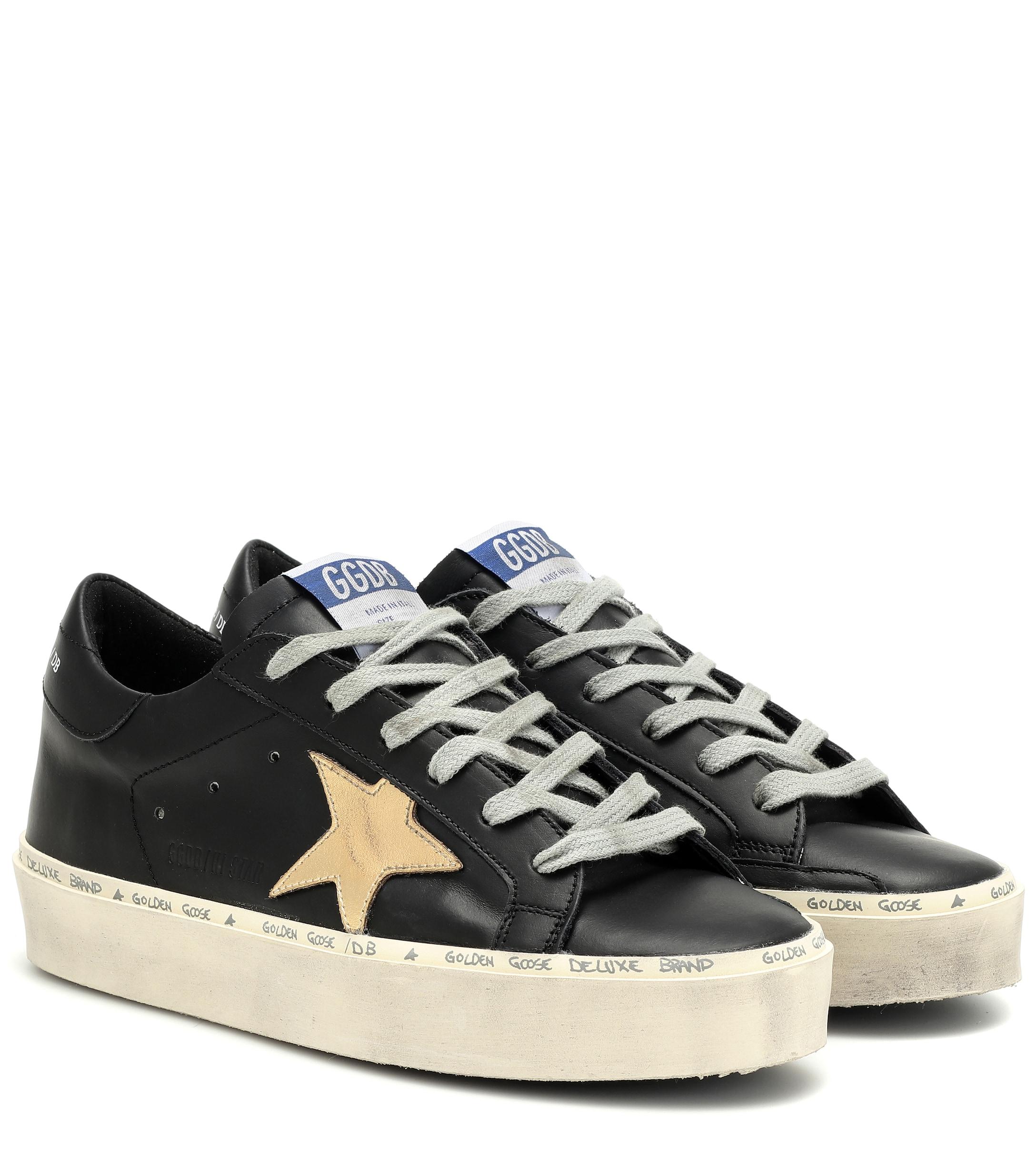
    When do locations cut rates—and how do you plan it?

    Largest cuts arrive near end-of-season changes, usually late January to mid-February with late July to mid-August, with additional quiet-weekday incentives. Private-sale weekends sometimes stack.

    Schedule an early visit midweek to access staff time and available dimensions. Request proactively about upcoming reduction schedules; associates often share whether a further reduction stays set for a week. If your size is common, hold the shoes for a short period while you confirm; most stores allow short holds. Climate shifts impact—warm-lined sneakers will fall faster when temperatures rise, though fabric options soften in final fall.

    Authorized channels vs gray market: what changes for you

    Authorized channels provide authentic product, validated certificates, consistent pricing bands, and aftercare support. Gray market suppliers combine real and non-authentic items with unclear provenance and limited buyer security.

    In authorized contexts, markings correspond, pricing aligns with recognized cyclical patterns, and you get legitimate valid VAT or purchase document. Stores can order replacement laces or insoles plus suggesting care compatible with existing elements in your shoes. Unofficial sources often refuse to verify vendor details, use standard pictures, or push prices past consistency with timing. Refunds stay constrained, boxes and dust bags vary, and serial confirmations stall when you ask for them in writing.

    Authentic versus counterfeit at a glance

    Employ the next comparison to make a fast call before you approach the the register. Minor variations may happen in artisan-made footwear, though the pattern must emphasize quality, material quality, plus information consistency.

    Checkpoint Authentic Golden Goose Standard Imitation Clue
    Style/measurement markings Perfect alignment between shoe label and box; clean fonts; consistent gaps Conflicting numbers or sizes; fuzzy print; irregular spacing
    Hide plus interior Soft, quality material; smooth lining; natural creasing Synthetic gloss; artificial odor; cardboard-like interior
    Distressing Irregular, multiple, hand-treated; plausible wear areas Symmetric scuffs; stencil-like marks; sprayed-on finish
    Side branding Correct placement; «Super-Star» often shows proper separator if used Misspelled, missing hyphen, or misplaced marking
    Stitching Uniform, secure threading; clean star boundaries; minimal threads Frayed material; inconsistent spacing; sloppy emblem attachment
    Cost framework Within known outlet bands; transparent cause for further cuts New pairs priced implausibly low missing reasoning
    Paperwork VAT/retail invoice naming Golden Goose; return policy stated Absent documentation; website-limited receipt; evasive terms

    Expert tip

    «If you’re uncertain, then pull the insole and inspect finishing under the footbed. Authentic pairs show neat glue lines, clean stitches, with regular component density—areas counterfeiters rarely perfect because they assume buyers won’t check.»

    Four little‑known facts about Golden Goose that help you authenticate

    To start, items are hand-finished in Italy, this means why distressing differs shoe to pair—symmetry is danger sign, not a benefit. Additionally, numerous core models use leather-covered footbeds with dense cushioning for immediate comfort; paperboard insoles are a counterfeit shortcut. Additionally, edge coloring often involves stacked processes versus than a lone consistent coating, so you’ll notice slight peaks and lows as you angle the shoe within brightness. Lastly, foil prints across external side and rear sections may soften with wear, but they’re precisely applied initially—crooked placement or wavy metallic from the box indicates problems.

    Refunds with ongoing care on outlet acquisitions—what varies?

    Brand-owned outlets usually offer shorter return windows and final sale regarding samples or samples, but they maintain backing behind authenticity with measurement assistance. Accessories and upkeep supplies remain available, and staff can advise on cleaning weathered surfaces while flattening the appearance.

    Confirm if your pair is first-quality, second-choice, or sample, and have this noted on the receipt. Ask about laces and insole replacements at purchase; certain stores carry spares behind checkout zones. About cleaning, use mild scrubbing and neutral solution for sidewalls, and avoid strong chemicals near foil logos or material surface. If a issue surfaces following purchase on a premium item, present the receipt plus images quickly; authorized stores keep systems to evaluate and assist even for outlet items.

  • Casino et fiscalité en France : ce que tout joueur doit comprendre

    Casino et fiscalité en France : ce que tout joueur doit comprendre

    Le cadre fiscal des jeux d’argent en France

    En France, la fiscalité des jeux d’argent repose sur un principe simple : ce n’est pas le joueur qui est imposé, mais l’opérateur. Les casinos terrestres, les opérateurs de paris sportifs et les plates-formes de poker en ligne reversent à l’État une part de leurs recettes brutes. Cette architecture distingue nettement la France de pays comme les États-Unis, où les gains doivent être déclarés au fisc fédéral. Découvrez plus d’informations sur casino crypto fiable.

    Concrètement, les casinos physiques s’acquittent d’un prélèvement progressif sur le produit brut des jeux (PBJ). Le taux varie selon la nature de l’activité : environ 55 % pour les machines à sous, autour de 15 % pour les jeux de table traditionnels, et jusqu’à 30 % pour le poker. Ces montants sont prélevés directement avant tout versement aux communes, qui perçoivent également une taxe locale.

    Pour le joueur occasionnel, la conséquence est directe : aucun gain n’a besoin d’être porté sur la déclaration de revenus. Un jackpot de 50 000 euros reste net d’impôt, contrairement à ce que beaucoup imaginent. Cette règle s’applique uniformément, que la mise ait été effectuée en espèces, par carte ou via un portefeuille numérique.

    Ce qui est réellement imposable

    Tous les gains ne bénéficient pas de cette exonération. L’administration fiscale opère une distinction claire entre les jeux de hasard autorisés et les activités assimilables à un travail ou à une spéculation.

    • Jeux de casino et paris : gains exonérés d’impôt sur le revenu pour le joueur.
    • Gains des joueurs professionnels : si le jeu devient une activité habituelle et organisée, les revenus peuvent être requalifiés en bénéfices imposables.
    • Échanges de cryptomonnaies : la plus-value réalisée lors de la conversion en euros est soumise au régime des actifs numériques, soit une flat tax de 30 % (12,8 % d’impôt sur le revenu + 17,2 % de prélèvements sociaux).

    Cette dernière règle mérite une attention particulière. Un joueur qui dépose en bitcoins, joue, puis retire ses gains en BTC ne déclenche aucune imposition tant qu’il ne convertit pas vers une monnaie fiat. En revanche, dès qu’il encaisse en euros, l’administration peut considérer qu’il y a cession d’actifs numériques.

    La frontière entre amateur et professionnel reste floue. Le critère retenu par le fisc tient au caractère régulier, organisé et lucratif de l’activité. Un joueur qui consacre plusieurs heures par jour à des stratégies structurées s’expose davantage qu’un parieur du dimanche.

    Pratiques déclaratives et bonnes habitudes

    Même si les gains de casino échappent à l’impôt sur le revenu, la traçabilité bancaire demeure une réalité. Les banques signalent les flux inhabituels au dispositif TRACFIN au-delà de certains seuils, généralement 10 000 euros pour un dépôt en espèces. Un retrait important depuis une plate-forme crypto vers un compte bancaire classique peut donc déclencher une demande de justificatif d’origine des fonds.

    Pour rester dans un cadre serein, quelques réflexes s’imposent : conserver l’historique des transactions de la plate-forme, documenter les dépôts et retraits, et déclarer les plus-values crypto dès qu’une conversion en euros a lieu. Ces éléments ne sont pas obligatoires pour les gains de jeu, mais ils facilitent grandement les échanges avec sa banque en cas de contrôle.

    Type de gain Imposition du joueur Taux applicable
    Jackpot casino Aucune 0 %
    Pari sportif gagnant Aucune 0 %
    Plus-value crypto Oui 30 %
    Jeu professionnel Possible Barème IR

    Le système français reste l’un des plus favorables d’Europe pour le joueur particulier. Là où l’Espagne ou l’Italie taxent parfois directement les gains, la France a fait le choix de fiscaliser l’opérateur. Cette logique profite autant aux casinos qu’aux parieurs, mais elle n’exonère personne de la vigilance déclarative dès que des cryptomonnaies entrent dans l’équation.